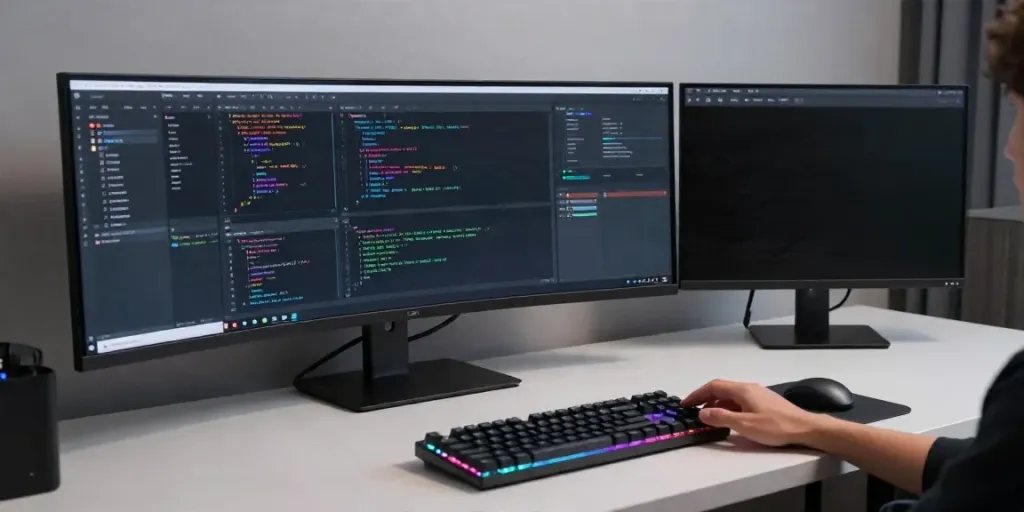
The Importance of Tupaiwin in Software Development
Tupaiwin is rapidly becoming a vital tool in the software development landscape for 2026, offering a suite of features designed to optimize workflow, streamline development processes, and enhance collaboration among teams. As developers continuously seek innovative solutions to enhance productivity and reduce time-to-market, the emergence of platforms like tupaiwin has marked a significant shift toward more integrated and efficient development environments. This article delves into the core functionalities of Tupaiwin and its transformative impact on software development practices.
Understanding Tupaiwin's Core Features
Tupaiwin is characterized by its user-friendly interface and powerful capabilities aimed at developers of all skill levels. Key features include:
- Integrated Development Environment (IDE): A comprehensive toolset that combines coding, debugging, and testing within a single platform.
- Collaboration Tools: Real-time collaboration features that help teams communicate effectively and work together on projects regardless of physical location.
- APIs and Microservices: Support for developing and deploying microservices, enabling modular application development that enhances scalability.
- Continuous Integration/Continuous Deployment (CI/CD): Built-in CI/CD pipelines that automate testing and deployment, ensuring faster release cycles.
- Version Control: Integrated version control systems that simplify tracking changes and managing code repositories.
Advantages of Using Tupaiwin in 2026
The advantages of incorporating Tupaiwin into your software development process in 2026 cannot be overstated. Here are some key benefits:
- Enhanced Productivity: With its intuitive design and features that automate repetitive tasks, Tupaiwin enables developers to focus on coding rather than managing tools.
- Faster Time to Market: By leveraging its CI/CD capabilities, teams can release updates and new features more quickly, responding to market changes dynamically.
- Improved Collaboration: The platform fosters better communication among team members, which is crucial for maintaining momentum in agile environments.
- Scalability: Tupaiwin's robust architecture supports the growing demands of applications, making it suitable for both small startups and large enterprises.
Case Studies: Success Stories with Tupaiwin
Numerous organizations have successfully integrated Tupaiwin into their workflows, showcasing its effectiveness. For example:
- Tech Startup XYZ: Implemented Tupaiwin to streamline their development process, resulting in a 30% reduction in time-to-market for new features.
- Enterprise ABC: Adopted Tupaiwin for its collaboration tools, significantly enhancing communication between remote teams, which led to improved project outcomes.
Integrating Tupaiwin with Cloud Solutions
As businesses increasingly shift to cloud-based infrastructures, Tupaiwin positions itself as a robust solution for development in the cloud. In this context, it’s essential to explore how best to integrate Tupaiwin with cloud services.
Choosing the Right Cloud Infrastructure
When selecting a cloud provider for integrating Tupaiwin, consider factors such as scalability, cost, and compliance. Major cloud providers like AWS, Azure, and Google Cloud offer various services that can complement the capabilities of Tupaiwin. Opt for a provider that supports extensive APIs and offers features tailored for microservices architectures.
Scalability of Tupaiwin in the Cloud
Tupaiwin naturally integrates with cloud environments to offer scalability, allowing businesses to adjust their resources based on demand. For instance:
- Auto-scaling: Many cloud providers offer auto-scaling features that work seamlessly with Tupaiwin, enabling applications to handle varying loads without manual intervention.
- Serverless Deployment: Utilizing serverless architectures with Tupaiwin can lead to reduced operational overhead and costs while maintaining performance.
Best Practices for Cloud Deployment
To make the most of Tupaiwin in a cloud environment, adhere to best practices such as:
- Use Infrastructure as Code (IaC): Deploying cloud resources through code ensures consistency and repeatability across environments.
- Implement Multi-Region Deployments: Enhance availability and disaster recovery by deploying Tupaiwin across multiple cloud regions.
- Optimize Costs: Regularly review your resource usage and reduce unnecessary expenditures through effective resource allocation.
Cybersecurity and Tupaiwin: Protecting Your Software
With the rise of software vulnerabilities, cybersecurity has become paramount in development. Tupaiwin features robust security measures aimed at protecting applications from threats.
Key Cybersecurity Protocols for Developers
Developers using Tupaiwin should implement essential cybersecurity protocols, including:
- Secure Coding Practices: Adopt best practices in coding to mitigate vulnerabilities such as SQL injection and cross-site scripting (XSS).
- Regular Security Audits: Conduct audits of code and dependencies to identify and address potential security risks promptly.
- Encryption Standards: Use industry-standard encryption protocols for data at rest and in transit to protect sensitive information.
Tupaiwin's Security Features Explained
Tupaiwin offers built-in security features, such as:
- Authentication & Authorization: Robust user management systems that control access based on role-based permissions.
- Vulnerability Scanning: Tools that automatically scan projects for known vulnerabilities and suggest remediation steps.
Threat Mitigation Strategies Using Tupaiwin
To further enhance security with Tupaiwin, developers should employ strategies like:
- Implementing Two-Factor Authentication: This adds an additional layer of security to safeguard accounts.
- Regular Updates: Keep the platform and all dependencies up to date to protect against newly discovered vulnerabilities.
AI/ML Implementation with Tupaiwin
The integration of AI and Machine Learning (ML) into software development through Tupaiwin is paving the way for innovative applications and services. This section explores how developers can leverage these technologies.
Leveraging AI Capabilities in Tupaiwin
Tupaiwin allows developers to integrate AI algorithms into their applications, providing features such as:
- Automated Testing: AI-driven tools can identify defects and optimize code, enhancing overall software quality.
- Predictive Analytics: Integrating machine learning models enables applications to analyze data trends and predict user behavior.
Best Practices for AI/ML Development
For successful AI/ML projects using Tupaiwin, developers should keep in mind:
- Data Quality: Ensure high-quality datasets for training models to achieve accurate outcomes.
- Model Monitoring: Implement continuous monitoring of AI models to ensure they perform as expected in production environments.
Future Trends in AI/ML with Tupaiwin
As AI and ML continue to evolve, Tupaiwin is positioned to incorporate emerging trends such as:
- Federated Learning: A decentralized approach to machine learning that allows for model training across multiple devices without compromising data privacy.
- Explainable AI (XAI): Enhancements in tools that provide transparency in AI decisions, making it easier for developers to understand model behaviors.
Developer Tools and Productivity Enhancement
In a world where time is money, leveraging the right developer tools can significantly improve productivity. Tupaiwin excels in providing a fully integrated toolset for developers.
Top Tools for Maximizing Efficiency in Development
Some essential tools available in Tupaiwin include:
- Code Review Tools: Facilitate peer reviews to increase code quality and maintainability.
- Task Management Systems: Help teams track progress and prioritize development tasks effectively.
Integrating Tupaiwin into Your Development Workflow
To effectively incorporate Tupaiwin into existing workflows, consider these strategies:
- Training Sessions: Provide comprehensive training to team members to maximize the use of all features available in Tupaiwin.
- Feedback Loops: Establish mechanisms for continuous feedback to iterate on processes and maximize tool effectiveness.
Overcoming Technical Debt with Tupaiwin
Technical debt can hinder long-term project success. Tupaiwin offers strategies to manage and reduce this debt:
- Refactoring Tools: Use built-in refactoring tools to improve code readability and maintainability.
- Documentation Enhancements: Maintain comprehensive documentation to ease onboarding and knowledge transfer among developers.
FAQs about Tupaiwin and its Applications
How can Tupaiwin enhance software development?
Tupaiwin enhances software development by providing an integrated platform that encompasses coding, testing, and deployment, facilitating a smoother and more collaborative process for developers.
What are the key differences between Tupaiwin and other platforms?
Unlike many other platforms, Tupaiwin emphasizes a higher degree of collaboration and seamless integration of essential tools within a singular environment, making it more efficient for teams.
What resources are available for learning Tupaiwin?
Many learning resources, including official documentation, tutorial videos, and community forums, are available to help new users quickly become proficient in using Tupaiwin for their software development needs.. Additionally, tupaiwin provides further details.